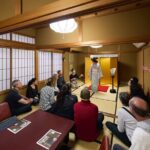
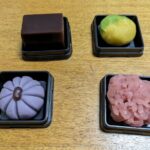
Kanazawa has a creative side most tours skip. What makes this one work is the mix: shrine-and-castle storytelling in the morning stretch, then a calm reset in Kenrokuen with tea, and finally a hands-on Kaga Yuzen dye session where you make something you can actually take home.
I really like how the tour moves with purpose. It starts at Oyama Shrine, then walks through the Kanazawa Castle grounds with clear context for how the city’s power shaped daily life. The last stop, guided by Saya, is the best kind of activity: you get to create your own design inspired by traditional kimono dyeing, and it feels personal because you’re doing the work, not just watching.
One consideration: you’re walking through outdoor sites as part of a tight 3-hour loop, so comfortable shoes matter, and weather can affect the garden portion.
In This Review
- Key highlights you will care about
- Oyama Shrine: where Kanazawa’s mixed influences start
- Kanazawa Castle: feudal stories with a modern twist
- Kenrokuen gardens plus a tea café reset
- The Kaga Yuzen hands-on workshop: make art, then keep it
- What’s included for $68 in 3 hours (and why it feels fair)
- Who should book this tour, and who should skip it
- Tips to get the best out of your afternoon
- Should you book Colors of Kanazawa with Kenrokuen and Kaga Yuzen?
- FAQ
- Where is the meeting point for this tour?
- How long is the tour?
- Is the tour guided in English?
- What does the tour include?
- What is not included?
- What should I bring?
- How much walking is involved?
- What do I make during the Kaga Yuzen experience?
- Is it suitable for young children or very elderly travelers?
- What’s the cancellation and payment setup?
Key highlights you will care about
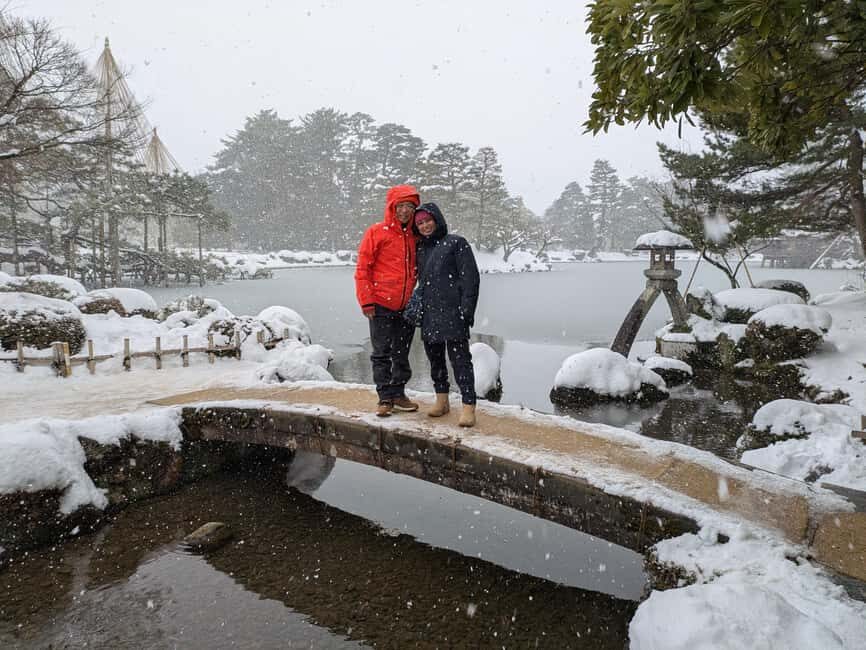
- Oyama Shrine’s unusual Japanese-European architecture sets the tone for the day
- Kanazawa Castle grounds come with feudal-era context (and the modern reality of reconstruction)
- Kenrokuen tea café break gives you a breather in one of Kanazawa’s most loved gardens
- Kaga Yuzen hands-on workshop lets you create a small take-home bag
- English guide Saya adds clarity and practical tips, not just facts
Oyama Shrine: where Kanazawa’s mixed influences start
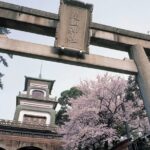
The tour begins at Oyama Shrine, and right away you’ll see why this stop is such a good opener. The shrine is known for a rare blend of Japanese and European architectural touches, and it’s a visual reminder that Kanazawa didn’t develop in a vacuum. You’ll get oriented fast: what you’re looking at, why the site matters, and how it ties into the broader story of the city.
This is also a smart pacing choice. Starting with a shrine means you’re not rushing straight into crowds or big museum rooms. Instead, you can absorb the atmosphere at your own speed, with your guide pointing out what to pay attention to while you walk the grounds. If you’re the kind of traveler who likes historical context that actually connects to what you see in front of you, Oyama Shrine does that job early.
Practical tip: wear shoes that can handle uneven ground. You’ll be on your feet again later, and there’s no benefit to showing up under-cushioned.
Other Kenrokuen and Kanazawa garden tours

Kanazawa Castle: feudal stories with a modern twist
Next comes Kanazawa Castle. The key value here is explanation. This isn’t just a scenic walk where you take a few photos and move on. Your guide connects the castle grounds to who lived here, what the political power looked like, and how the feudal era shaped the city.
There’s also an important reality check that helps you avoid disappointment. The original castle in Kanazawa burned down, so what you see today is not the exact original structure from the past. The tour helps you understand how the area developed into the castle you experience now. That honesty makes the visit better, because you’ll know what you’re seeing and why it’s different.
What you’ll probably enjoy most: the way the guide frames the castle grounds as part of a living story rather than a dead stop. You’ll walk away with a clearer mental map of how Kanazawa’s leaders influenced the city’s identity.
A small consideration: the castle portion still takes time outside. If it’s raining, you’ll want to keep your focus on the guide’s explanations and accept that photos and views may be less dramatic than on a sunny day.
Kenrokuen gardens plus a tea café reset
Then the tour slows down at Kenrokuen Gardens. This is where your feet get a breather and your brain gets a little quieter. Kenrokuen is one of Japan’s most famous gardens, and the experience lands best when you treat it like a pause, not a checklist.
Your guide helps you notice what makes the garden special, but you also get a built-in recovery moment: a tea café break inside the garden experience. You’ll enjoy a refreshing drink, and you also get time to relax and reset. In the same spirit, there’s a practical reason this stop works well: it gives you a break from constant walking and helps with the basic needs of a 3-hour schedule.
If you’re someone who tends to rush through gardens on your own, the structure of a guided walk plus a tea break can be a big quality-of-life upgrade. You’ll still have freedom to take in the views at your pace, but you won’t feel like you’re guessing what matters.
Weather note, again: gardens are what they are, but rain can change how you experience them. The tour still makes sense on a rainy day because the tea café break and guide commentary keep the mood from turning into survival-mode.
The Kaga Yuzen hands-on workshop: make art, then keep it
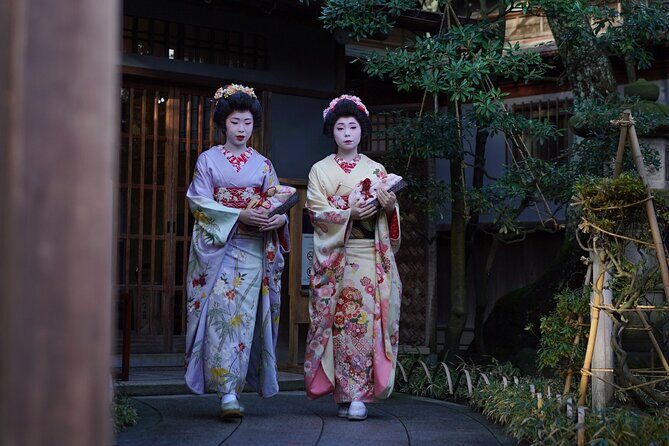
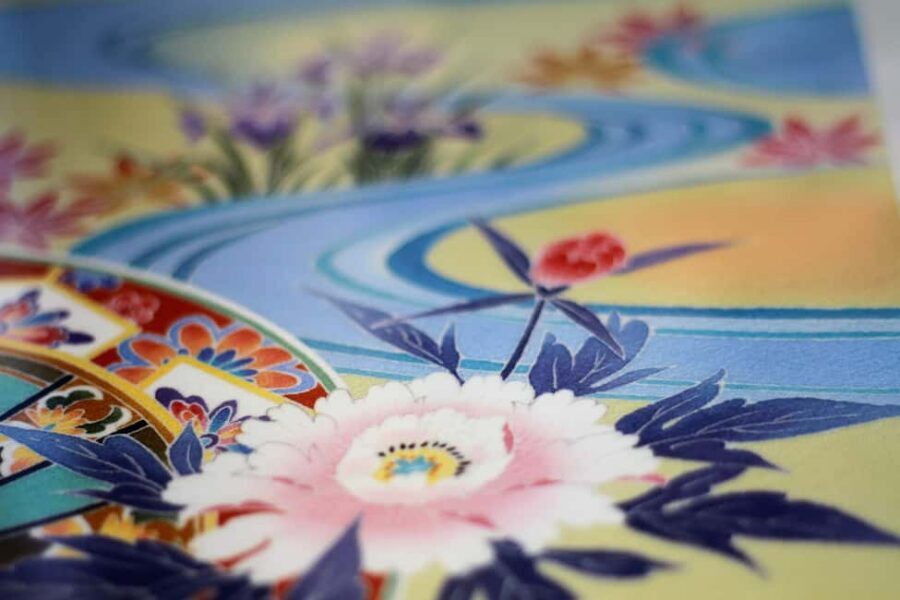
This is the part I would actually book for. The Kaga Yuzen dyeing experience is hands-on, and it’s guided by a local artisan. Instead of passively learning about kimono dye techniques, you create your own piece of art—usually a small traditional bag—to take home.
What makes this workshop especially valuable is how it teaches through doing. You learn about the delicate methods behind the dyeing style and how the colors are built up and applied. You also get that kimono connection in a practical way: the designs you paint are tied to the historical tradition of kimono decoration and the way specific Kanazawa color work became part of its reputation.
If you like workshops, you’ll feel a real sense of satisfaction here. Even if you’re not artsy, the process is meant to be approachable. The key is that you leave with a physical souvenir you made, not just a photo memory.
One more practical detail to keep in mind: you’ll likely be working on a small item, so plan for compact storage. You don’t need special gear beyond comfy shoes and a willingness to focus for a short stretch.
What’s included for $68 in 3 hours (and why it feels fair)
At $68 per person for about 3 hours, this tour isn’t trying to be a bargain-price sightseeing bus loop. It’s built around included value: guided visits to Oyama Shrine, Kanazawa Castle, Kenrokuen Gardens, plus a traditional tea café break, plus the hands-on Kaga Yuzen experience guided by an artisan.
That mix matters. The workshop portion alone is where many shorter, cheaper tours start to fall apart, because they often only show you finished work. Here, you actually participate. You also get English guidance throughout, which helps you understand what you’re seeing at the shrine and castle instead of just following a route.
Also, the time format works for travelers who want culture without a full-day commitment. You’ll cover major highlights in a single afternoon flow: history first, then calm, then creativity. It’s a tight loop, but it’s a sensible one.
If you’re deciding between this and doing things on your own, ask yourself this: do you want help interpreting what you see, plus a guided workshop with a take-home item? If yes, the price feels more reasonable.
Other Kanazawa tours and samurai-district walks




Who should book this tour, and who should skip it
This tour is a strong match if you want a balanced day that includes both cultural context and a hands-on activity. It’s especially good for visitors who:
- Like guided explanations that connect sites to stories
- Want a relaxing stop at Kenrokuen without planning every detail
- Prefer a workshop over a museum-only experience
- Appreciate traditional crafts tied to local identity
On the other hand, it may not be the best choice if you’re looking for a mostly indoor experience or if long walking sessions are difficult. It’s also not suitable for children under 2 and under 3 (depending on the age limits listed), and it’s not for people over 95.
If you’re traveling with a group that includes someone with mobility limitations, you should consider that the tour involves walking as part of the design.
Tips to get the best out of your afternoon
A few small things will make a noticeable difference:
- Wear comfortable shoes. The tour involves walking between stops.
- Bring a camera. You’ll have photo chances at Oyama Shrine and around the garden and castle grounds.
- Go in ready to slow down at Kenrokuen. Tea café time is part of the experience, not just a break.
If it rains, don’t treat the day as ruined. The tea break and guide storytelling help keep the tour enjoyable even when outdoor views are less dramatic.
Should you book Colors of Kanazawa with Kenrokuen and Kaga Yuzen?
I think you should book this tour if you want a guided Kanazawa afternoon that combines the city’s historic places with a creative craft you can take home. The best reason is the Kaga Yuzen workshop: it’s the kind of activity that turns travel into something you can remember with a real object in your hands.
Skip it only if you’re not into walking or you want a longer, more flexible day. This one is designed to be focused and efficient, covering three major stops plus tea plus a dyeing experience in around 3 hours.
If that sounds like your pace, reserve your spot and plan for comfortable shoes. Then let Saya’s storytelling guide you from shrine architecture to castle context to garden calm, and finally into making your own piece of Kanazawa-style art.
FAQ
Where is the meeting point for this tour?
Meet outside the Kanazawa Central Tourist Information Center. Your guide will be holding a Kanazawa Tours sign.
How long is the tour?
The tour lasts about 3 hours.
Is the tour guided in English?
Yes. It includes a live tour guide in English.
What does the tour include?
It includes visits to Oyama Shrine, Kanazawa Castle, and Kenrokuen Gardens, a traditional tea café experience, and a hands-on Kaga Yuzen dyeing experience guided by a local artisan.
What is not included?
Meals are not included.
What should I bring?
Bring comfortable shoes and a camera.
How much walking is involved?
The tour involves walking, so comfortable shoes are recommended.
What do I make during the Kaga Yuzen experience?
You create your own piece of art, usually a small traditional bag, that you take home.
Is it suitable for young children or very elderly travelers?
The tour is not suitable for children under 2 years and under 3 years, and it is not suitable for people over 95 years.
What’s the cancellation and payment setup?
You can cancel up to 24 hours in advance for a full refund. You can also reserve now and pay later.