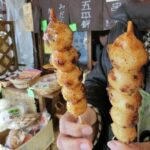
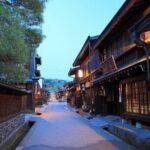
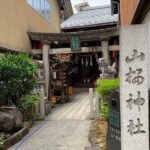
Food and history walk together in Takayama. This small-group walking tour (max 10) strings together famous landmarks and local eating stops in a tight 2–3 hour route, so you get both photos and real flavors without feeling lost. You’ll visit classic old-town areas, cross a signature bridge, and end at a rice-cracker workshop—while your English guide keeps the pace friendly and the stories clear.
I especially like two things: the English guide who can connect what you’re seeing with how Takayama works, and the rice cracker making at Yume Kojo Hida, which turns the tour from just watching into doing. One thing to think about: the price covers the guide, but the food you try and the rice-cracker experience fee are not included, so your total spend will be what you choose to eat and purchase.
In This Review
- Key things to know before you go
- Why this Takayama food walk beats the usual checklist tour
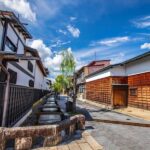
- Starting at Kamisannomachi: old-town streets with context
- Nakabashi Bridge and Takayama Jinya: the photo stop and the rare building
- Yamazakura Shrine: craft traditions and religion in one stop
- Morning markets: Miyagawa and Jinya-Mae for real snack shopping
- Yume Kojo Hida rice cracker factory: the hands-on finish
- Price check: what $97.73 covers, and what you’ll still pay
- Who this tour suits best (and who might skip it)
- Practical tips for a smooth 2–3 hours
- Should you book this Takayama Special Food Tour?
- FAQ
- How long is the Takayama special food walking tour?
- How many people are on the tour?
- What does the tour include?
- Are food tastings included in the price?
- Is the rice cracker experience included?
- Is there admission cost for the stops?
- Where do I start, and where does it end?
- Is confirmation provided after booking?
- What if the weather is bad?
- What’s the cancellation policy?
Key things to know before you go
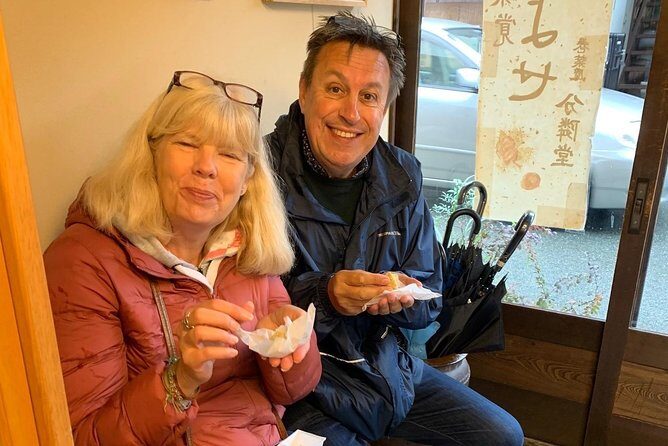
- Max 10 people means you’ll move as a group without getting swept up in a crowd
- Morning market stops are where Takayama’s food culture feels most everyday
- Takayama Jinya is a rare, historic-style government office you won’t see elsewhere
- Yume Kojo Hida lets you make rice crackers yourself (experience fee not included)
- Free admission at multiple landmark stops keeps the budget steadier
Why this Takayama food walk beats the usual checklist tour
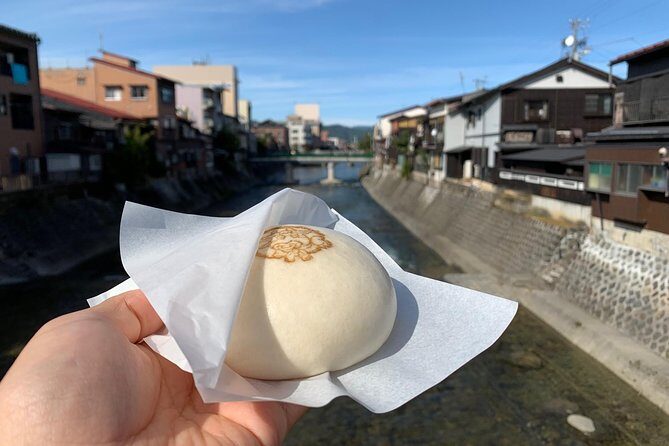
Takayama can be charming on its own. But the smart trick here is the mix: you’re not only sightseeing. You’re learning what to look for, where locals shop, and how the city’s traditions show up in food.
With a group capped at 10, the guide can actually point out details while you walk—like which streets feel older, where the morning market energy starts, and why a particular landmark matters. That matters in Japan, where you can easily admire a place without knowing what role it played in daily life.
Also, the structure is practical. You get a sequence of stops that gradually shift from old-town atmosphere to market browsing, and then to a hands-on food workshop. In just 2–3 hours, you’ll cover a lot of ground on foot and still have time to buy small snacks, try a few bites, and take photos.
The only real “watch this” is money. The tour price is $97.73 per person, and it includes the guide, but not your food or the rice-cracker experience fee. If you’re the type who likes to sample several items, plan for extra yen.
Other Takayama walking tours and old-town experiences
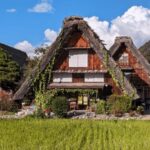
Starting at Kamisannomachi: old-town streets with context
The tour kicks off at 22 Kamininomachi. This is an old-town area, and it’s a good place to begin because you can see Takayama’s laid-back historic atmosphere right away. Your guide sets the stage with history and cultural context as you walk.
What I like about this opening is that it gives you a mental map before you start chasing photos and snacks. You’re not just passing buildings; you’re learning how the area developed and why it looks the way it does.
In practical terms, this first stretch also helps you “sync” with the tour rhythm. You’ll get used to the pace, learn how your guide will cue you for tastings and viewpoints, and settle into walking mode—important since the route is all on foot.
If you’re sensitive to crowds, you’ll probably appreciate how this tour uses smaller blocks of time for each stop rather than lingering forever in one spot.
Nakabashi Bridge and Takayama Jinya: the photo stop and the rare building
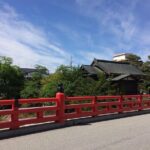
Next up is Nakabashi Bridge, where you’ll have a short window to take a goooood photo. This is one of those classic Takayama visuals—simple, scenic, and instantly recognizable once you see it.
Why this stop works in the middle of a food tour: bridges and streets often connect trading areas, and Takayama’s layout makes it easy to spot where people moved during busy market times. Even if you’re just there for the picture, it helps to have the guide’s context.
Then comes Takayama Jinya, a special stop because it’s described as the only place in Japan with an old government office of this type. It’s short—about 5 minutes—but the payoff is knowing what you’re looking at.
There’s also a practical catch: you can view it from outside as part of the tour, and if you want to go inside, it’s possible but not included. That’s good to know beforehand. If interior tickets matter to you, you’ll need to plan for that option separately.
If you care about “why” rather than “what,” this is one of the stops that makes the tour feel more than a food crawl.
Yamazakura Shrine: craft traditions and religion in one stop
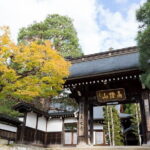
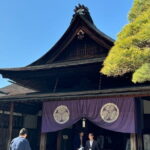
After the bridge and government office, you’ll head to Yamazakura Shrine, where you spend about 10 minutes. This is a quieter, more reflective stop, and it adds a different flavor to the tour—religion and local craftsmanship.
The shrine visit includes seeing items connected to Takumi, people who made traditional technical work in the Hida Takayama area. It’s the kind of detail you’d miss if you were simply wandering. The guide ties it back to how local traditions live on, not just as history on a plaque.
This stop also helps balance the tour’s energy. Markets are active, and making rice crackers is hands-on. A shrine break keeps the walk from feeling rushed and gives you something to absorb that isn’t about shopping.
If you’re not usually into shrine visits, this one may still work because the focus is connected to local skills and regional identity.
Morning markets: Miyagawa and Jinya-Mae for real snack shopping
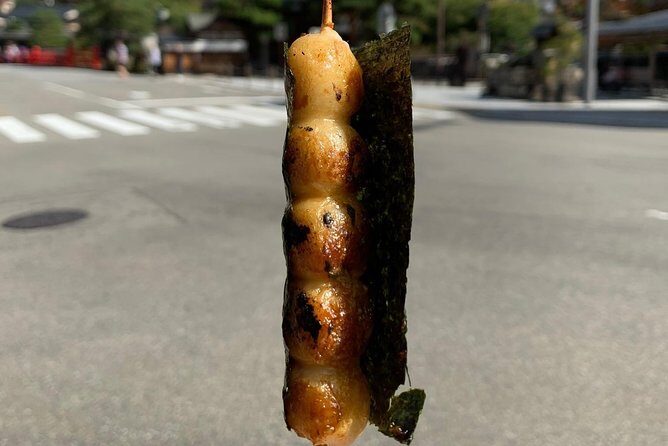
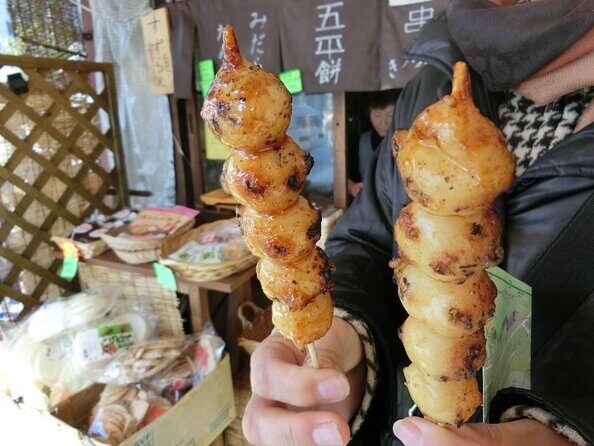
The heart of a Takayama food experience is the morning market. Here, you’ll hit two:
- Hida-Takayama Miyagawa Morning Market (about 15 minutes)
- Jinya-Mae Morning Market (about 10 minutes)
At both, you’ll get a chance to see lots of traditional items and food-stall culture up close. This is where the guide’s value really shows. Markets can overwhelm you fast—lots of stalls, lots of smells, and not always easy signage. Having someone help you decide what’s worth trying saves time and helps you avoid missing the best “starter bites.”
Also, these are short stops by design. You’re not trapped in a 45-minute stall browsing session. Instead, you’re given a guided introduction so you can sample what fits your taste and still keep moving.
One more reason I like this approach: it teaches you how to shop in the moment. You’ll see what people buy, notice how offerings are arranged, and learn how to think about food as part of daily life here—not just as something to photograph.
As always, food itself is not included. You’ll be choosing and paying for what you want to eat during these market windows.
Other food & drink experiences in Takayama

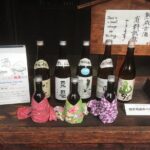
Yume Kojo Hida rice cracker factory: the hands-on finish

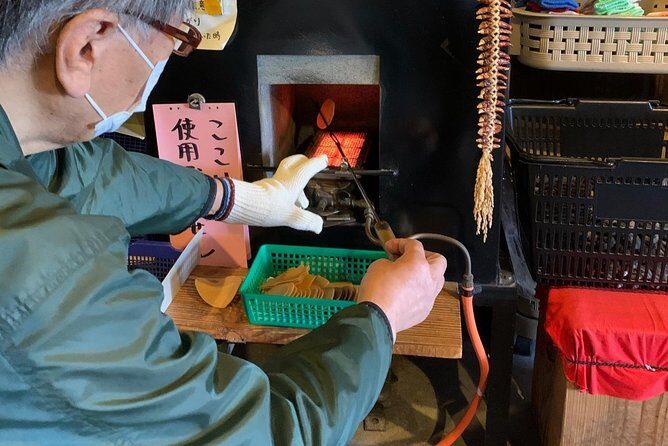
The tour ends at Yume Kojo Hida – Rice Cracker Factory – Make your own Ricecrackers, at 52 Sakuramachi, Takayama. This is where the experience turns from sightseeing to participation, and it’s one of the best ways to get a memorable souvenir that isn’t just plastic packaging.
You get about 15 minutes for the activity, and it’s described as using a heater to make your own rice crackers. That means you’re not just watching someone else work—you’ll be hands-on as part of the process.
Two practical things to note:
- The rice-cracker experience fee is not included, so expect an extra cost at the factory.
- This is also an “end point,” not just another photo stop. Your tour walk finishes here, so plan your next activity with that in mind.
If you like practical food experiences—anything from making toasting to baking to grinding—this part is a strong closer. It also works as a fun break if you’ve been walking nonstop, because your attention shifts from streets to a task.
And honestly, you’ll likely leave with something you can share: you made it.
Price check: what $97.73 covers, and what you’ll still pay
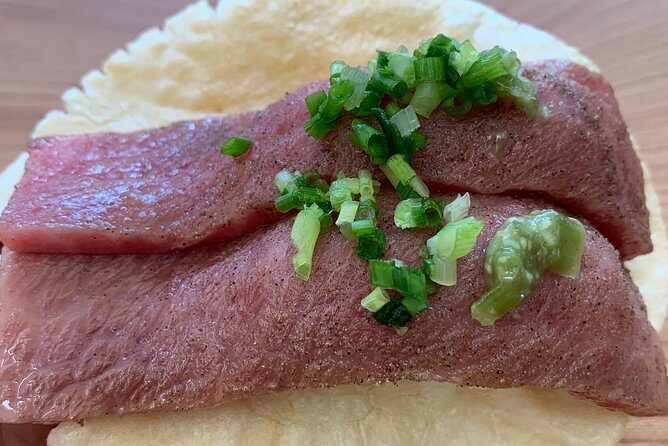
At $97.73 per person, this isn’t a bargain-basement snack tour. The reason is clear: you’re paying for (1) a guided walking route, (2) time at multiple landmark spots, and (3) access to the rice cracker workshop as the tour ending point.
Here’s what helps the value:
- You get an English guide.
- Several stops have admission tickets listed as free, including Kamisannomachi, Nakabashi Bridge, Takayama Jinya (viewing as part of the tour), Yamazakura Shrine, and the morning market stops.
- Group size is small (max 10), which usually costs more than big bus tours but makes the experience more personal.
What can make the final total feel higher:
- Food isn’t included. During the market segments, you’ll likely buy at least a couple of items.
- The rice cracker experience fee isn’t included.
So is it worth it? For me, the answer is yes if you want both storytelling and food with structure. If you only want a quick bite and you prefer to wander on your own, you might find a cheaper option. But if you like the idea of turning landmarks + markets into a guided, do-it-yourself food moment, the pricing starts to make sense.
One more small clue: this tour is booked far in advance (about 201 days on average). That usually means people think the guide + format is worth planning for.
Who this tour suits best (and who might skip it)
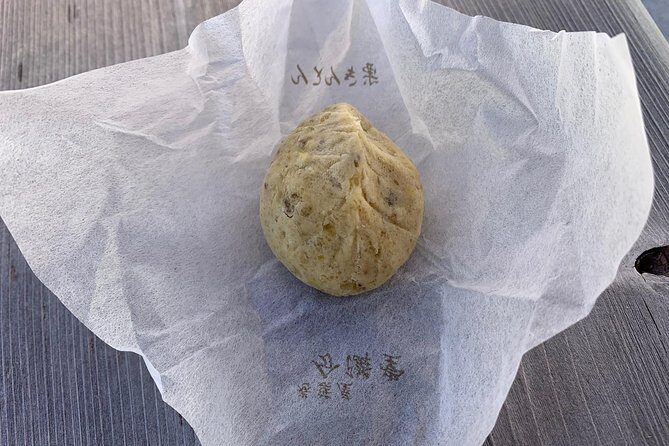
This tour is a strong fit if you:
- want Takayama sightseeing and food in one package
- like small groups and clearer guidance than you’d get alone
- enjoy markets but don’t want to spend your morning guessing what’s worth trying
- want a hands-on edible souvenir via rice cracker making
It may be less ideal if you:
- want a food tour where most of the tasting is included in the price (here, food is not included)
- dislike walking for 2–3 hours in total
- strongly prefer to enter buildings (Takayama Jinya interior is not included)
If you’re traveling solo, this can still work well because the group is small and the guide keeps you moving. If you’re traveling with friends, ask about group discounts—the tour notes group discounts are available.
Practical tips for a smooth 2–3 hours
First, wear good shoes. The whole thing is a walking loop, and you’ll be on your feet while the guide moves you between old-town streets, bridges, shrines, and market lanes.
Second, bring cash (or at least a payment option you can use easily). The tour covers the guide and certain sights, but you’ll pay for the food you choose and for the rice cracker experience fee.
Third, camera ready at Nakabashi Bridge. You get a short moment for photos, so don’t treat it like a casual linger.
Fourth, plan for weather. The experience requires good weather, and if it gets canceled due to poor conditions, you’ll be offered a different date or a full refund.
Finally, think about your timing after the tour. Since the tour ends at the factory location in Sakuramachi, you’ll have an easy starting point for whatever comes next.
Should you book this Takayama Special Food Tour?
Book it if you want a guided Takayama walk that combines key landmarks with real morning market energy, then ends with a hands-on food workshop you can take home. The small-group size and the English guide make it feel less like random sightseeing and more like a smart way to understand the city through what people eat and make.
Skip it only if your priority is a low-cost snack crawl where most tastings are included, or if you hate paying extra for food and activities. Here, you control your eating—and that’s either a dealbreaker or the best part, depending on your style.
If you’re the type who likes structure but still wants to taste and choose, this one is worth your time.
FAQ
How long is the Takayama special food walking tour?
It runs about 2 to 3 hours.
How many people are on the tour?
The tour has a maximum of 10 travelers.
What does the tour include?
It includes an English-speaking guide.
Are food tastings included in the price?
No. The food fee is not included.
Is the rice cracker experience included?
No. The food and experience fee for the rice crackers is not included.
Is there admission cost for the stops?
Admission tickets are listed as free for multiple stops along the route, but the rice cracker experience fee is not included.
Where do I start, and where does it end?
It starts at 22 Kamininomachi, Takayama, Gifu 506-0845, Japan and ends at Yume Kojo Hida – Rice Cracker Factory at 52 Sakuramachi, Takayama, Gifu 506-0858, Japan.
Is confirmation provided after booking?
Yes. Confirmation is received at the time of booking.
What if the weather is bad?
The experience requires good weather. If canceled due to poor weather, you’ll be offered a different date or a full refund.
What’s the cancellation policy?
Free cancellation is available up to 24 hours in advance for a full refund.