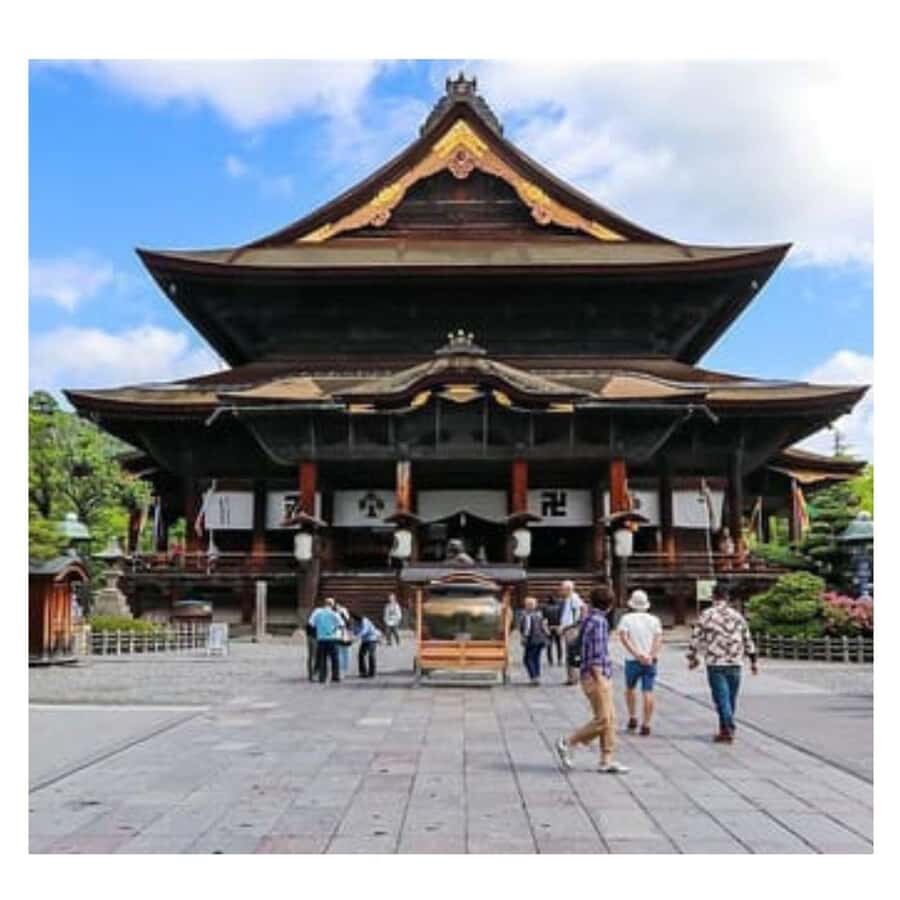
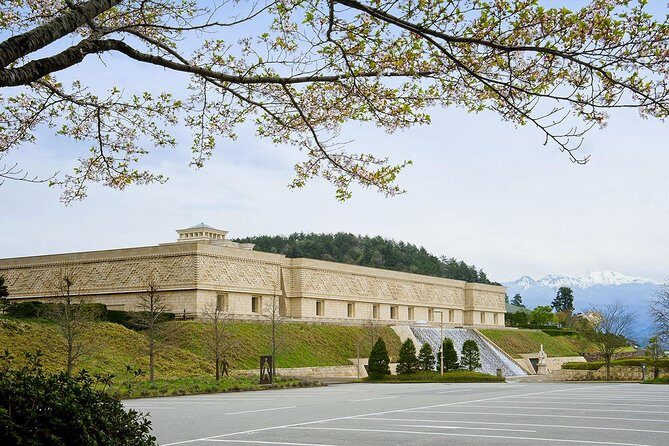
Takayama has a quietly surprising museum. I liked the way the galleries mix art, history, natural history, and books into one flowing visit, so you never feel stuck in just one theme. The rooms are especially memorable too, with a soothing feel built around French limestone.
I also loved finding Hokusai among the display highlights, then watching that art energy switch gears into archaeology and science. One thing to consider: the visit runs about an hour, so if you want to read everything slowly, you may wish you had more time.
In This Review
- Key things I’d plan for before you go
- A One-Hour Museum Stop in Takayama That Works Even on Busy Days
- What Makes the Hikaru Museum Rooms Feel Special
- Art Wing: Japanese Painting, Ukiyo-e, and Western Styles
- The Science Side: Fossils and Meteorites You Can Actually See
- History and Archaeology Materials: Connecting Human and Natural Stories
- Books in the Mix: A Quiet Place to Extend What You Noticed
- Entry Point and Timing: How to Fit It Smoothly into Your Takayama Day
- Price and Value: Why $15 Feels Fair Here
- Who Should Book This, and Who Might Skip It
- Practical Tips to Make Your Hour Count
- Should You Book the Light Museum (Hikaru Museum) in Takayama?
- FAQ
- Where is the meeting point for this experience?
- How long does the Light Museum experience take?
- What’s included in the price?
- What are the opening hours?
- Is the museum near public transportation?
- How many people are in a group?
- Is free cancellation available?
Key things I’d plan for before you go
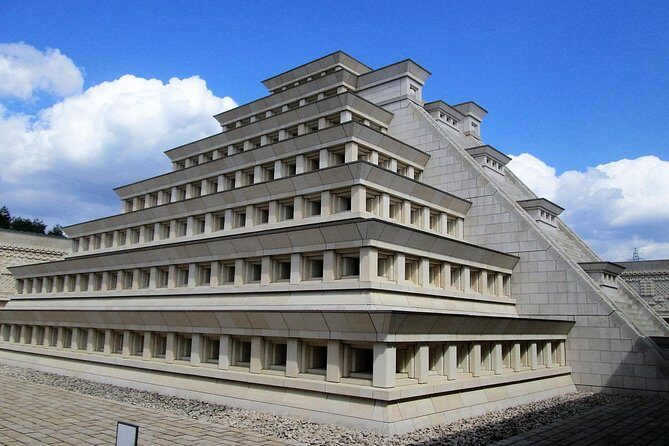
- French limestone rooms that make the museum feel calm, not crowded
- Hikaru Museum’s range: Japanese painting, Western painting, ukiyo-e, contemporary art
- Science collections you don’t expect in a small-town museum: fossils and meteorites
- Natural history materials plus archaeological items, side by side
- Family-friendly variety, so different ages can find something quickly
- A small group size (max 6), which keeps the experience relaxed
A One-Hour Museum Stop in Takayama That Works Even on Busy Days
This is the kind of place you can fit into a full Takayama day without stress. The total time is about one hour, and that’s a big part of the value. You get a real museum experience, but you’re not committing half a day or more to one building.
At a price of $15, the math is pretty clear: the ticket is included, and the collection is broad enough that it doesn’t feel like you’re paying for just one niche theme. It also helps that it’s near public transportation, so you’re not forced into long detours just to reach it.
The max group size is 6 travelers, which matters more than you’d think. A small group usually means you can move at your own pace and spend extra moments on the parts that catch your attention, instead of constantly feeling rushed.
If you're still narrowing it down, here are other tours in Takayama we've reviewed.



What Makes the Hikaru Museum Rooms Feel Special
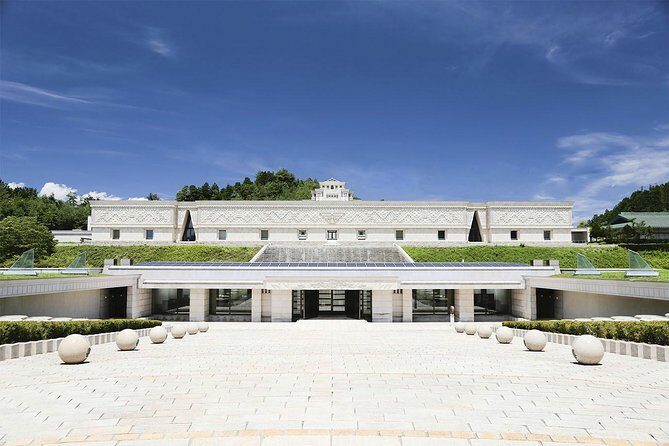
The museum’s big trick is its layout. The exhibition space is divided into clear sections—art, history, natural history, and books—but the vibe stays connected. You’re not walking from one unrelated attraction to the next. It feels like one museum with multiple conversations happening at once.
The architecture and the room design are a big deal here. The listing describes a healing space surrounded by French limestone, and that matches what you can feel when you’re inside: the space doesn’t have a loud, showy energy. Instead, it encourages you to slow down and look.
Even if you’re not a museum person, this “look and think” atmosphere can make the experience easier. You can focus on visual art in one section, then shift to scientific materials without feeling like you’re switching gears too aggressively.
Art Wing: Japanese Painting, Ukiyo-e, and Western Styles
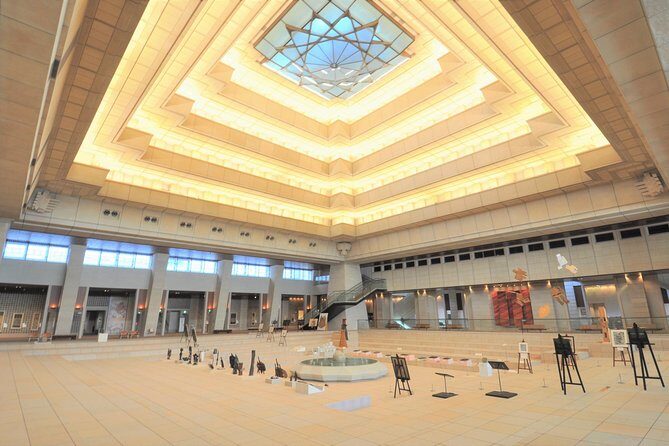
If you’re drawn to art, you’ll likely enjoy how many styles are presented under one roof. The museum includes Japanese painting, Western painting, ukiyo-e, and contemporary art. That mix is practical because it keeps your eye moving. You’re not stuck staring at one visual language for the whole hour.
Hokusai is one of the standout names mentioned as a highlight, and it makes sense. When Hokusai shows up in a place like this, the museum is basically telling you: we’re not only collecting; we’re showing you how different art traditions speak to each other.
A good way to approach this section is to pick one work and spend a little extra time with it. Don’t try to “collect” every detail. Instead, let one piece anchor your visit, then use the surrounding items to broaden the story.
Potential drawback: if you come in expecting a huge blockbuster art museum, you might find the time tight. You’ll get a taste and a strong impression, not a multi-hour deep reading.
The Science Side: Fossils and Meteorites You Can Actually See
One of the most fun parts of this museum is the pairing of art with science. The collection includes fossils and meteorites, plus other natural history materials. That’s a refreshing contrast to what many people expect from a Takayama visit, since you might be thinking more about traditional sights.
This works well because the science displays give your brain a different kind of satisfaction. Instead of focusing on style and brushwork, you’re invited to think about time—geologic time, cosmic time, and how we interpret evidence.
Here’s a practical tip: don’t treat these displays as a “bonus.” Give the science areas a real chunk of your attention. If you divide your hour roughly into two halves—art and science—you’ll leave with a balanced memory instead of only remembering one side.
History and Archaeology Materials: Connecting Human and Natural Stories
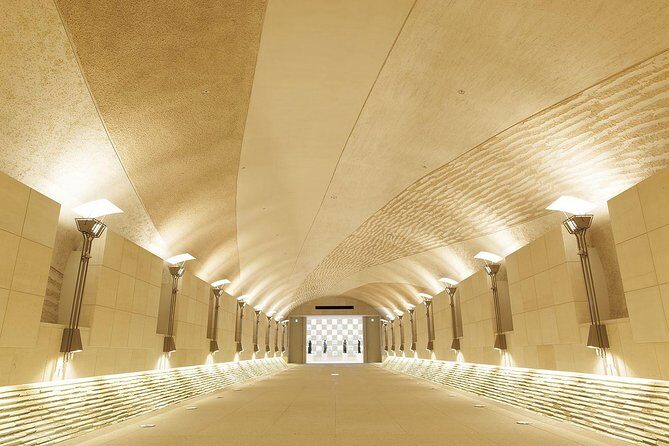
The museum also includes archaeological materials alongside the natural history items. That pairing matters. It turns the experience from “look at objects” into “think about what objects mean.”
Archaeology materials can make you more aware of how culture and environment overlap. Even without a long lecture, the display logic encourages you to connect human activity with the bigger physical world—materials preserved, evidence found, and stories reconstructed.
If you like museums where the sections feel linked, this part is likely to reward you. It’s especially useful if you’re visiting with a group where people have different interests—art lovers, science fans, and everyone in between.

Books in the Mix: A Quiet Place to Extend What You Noticed
There’s also a books component in the exhibition. The value of this is simple: it gives you a chance to slow down and learn a little more without needing to jump into a separate bookstore.
In many museums, the “books section” is treated like an afterthought. Here, it’s grouped as a proper part of the exhibition space, which signals that the museum wants you to consider learning as part of the experience, not just looking.
If you’re the type who likes to bring home one or two better questions (not just one photo), the books area can make your visit feel more complete.
Entry Point and Timing: How to Fit It Smoothly into Your Takayama Day
The ticket redemption point is listed at 175 Nakayamamachi, Takayama, Gifu 506-0051. Opening hours are shown for Monday: 10:00 AM to 5:00 PM, and the broader date range runs from 02/27/2026 to 12/25/2026.
Because you’re dealing with a one-hour experience, timing is everything. If you arrive right at opening, you’ll often feel less pressure to make quick decisions. If you visit mid-day, the museum can work well as a break from outdoor walking—especially if Takayama weather is doing its own thing.
Plan a little buffer around your start time. You don’t want to be rushing through your favorite section just because you’re worried about being late.
Price and Value: Why $15 Feels Fair Here
At $15, you’re paying for a focused museum visit with a ticket included. The best value comes from the variety. The museum doesn’t feel like it’s built around one small theme. Instead, it covers multiple categories—art styles, archaeology, fossils, meteorites, and natural history materials—plus books.
That variety matters because it raises the chance that you’ll find at least one section that really grabs you. One person might focus on Hokusai and ukiyo-e. Another might get excited by meteorites and fossils. The museum accommodates both without making either person feel bored.
Also, with a small group size (max 6), you’re not paying for a mass experience. Even in a short visit, you get a calmer pace.
Who Should Book This, and Who Might Skip It
This works best if you want a museum that’s smart but not heavy. It’s a good fit for:
- Families, because the range lets kids and adults find different points of interest
- Art lovers who also want a science angle
- Science-curious visitors who want something more human and visual than a textbook
You might consider skipping if:
- You want a long, deep museum day with lots of reading time
- You prefer very large collections where you can spend hours comparing many works
That said, for a one-hour stop in Takayama, it’s unusually well-rounded.
Practical Tips to Make Your Hour Count
Here are a few ways to get more satisfaction out of a short visit:
- Pick two priorities before you enter: one art area (like ukiyo-e or Hokusai-related displays) and one science area (like fossils or meteorites). This keeps you from wandering too aimlessly.
- Give the science displays real time, not just a quick scan. The fossils and meteorites are part of what makes this museum memorable.
- Use the books section strategically. If you find one question sparked—about an object or style—spend a few minutes there to follow it.
- Arrive with enough buffer so you can linger without stressing about the full hour passing.
And if you’re traveling with kids, this kind of museum can feel easier than a strict art-only space. Different interests get served quickly.
Should You Book the Light Museum (Hikaru Museum) in Takayama?
If you want a short, high-value museum stop that mixes Japanese art, Western art, and science evidence in a calm, limestone-feeling setting, I think it’s a smart booking. The one-hour length is the sweet spot: enough time to be impressed, not so long that you feel trapped.
I’d book it if:
- You like variety and don’t want your day to revolve around just one theme
- You’re curious about how art and history connect with natural history materials
- You appreciate a small group setting
I’d hesitate if you’re the type who needs hours to fully read and analyze. In that case, you might want a longer museum plan. But for most people doing Takayama at a practical pace, this is an excellent use of time.
FAQ
Where is the meeting point for this experience?
The ticket redemption point is at 175 Nakayamamachi, Takayama, Gifu 506-0051, Japan.
How long does the Light Museum experience take?
It’s listed as approximately 1 hour.
What’s included in the price?
The admission ticket is included.
What are the opening hours?
The provided hours show Monday: 10:00 AM – 5:00 PM, during the date range 02/27/2026 – 12/25/2026.
Is the museum near public transportation?
Yes, it is described as near public transportation.
How many people are in a group?
This experience has a maximum of 6 travelers.
Is free cancellation available?
Yes. You can cancel for a full refund up to 24 hours before the experience’s start time.