Two UNESCO sites in one day can feel unreal. This trip bundles Shirakawa-go (with its iconic gassho-style houses) plus hot-spring time, guided by a real person who helps you understand what you’re seeing. I especially like how the day balances big, scenic moments with a reset in the bath at Hirayunomori onsen. One practical catch: lunch and bottled water are not included, so plan to eat out.
You’ll start at Takayama Station (8:30am) and spend about 9 hours with a small group capped at 10. The tour is set up to reduce confusion—your guide rides with you in an air-conditioned vehicle, translates, and keeps the pace realistic for walking and nature stops. If rain or bad weather hits, the experience requires good weather, so expect changes.
In This Review
- Key things I’d note before you go
- Shirakawa-go gassho houses: your first real wow moment
- Wada House: a short stop that adds texture
- Hirayunomori onsen: where the day turns from sightseeing to recovery
- Hirayu Falls: big water, plus the tree you came for
- Private guide Yama: the part that makes it feel personal
- The rhythm of the day: start 8:30am, back for evening
- Price and what’s actually included in $175.91
- Who this tour fits best
- Should you book this Shirakawa-go onsen hiking day tour?
- FAQ
- What time does the tour start and how long is it?
- Where do you get picked up and where do you get dropped off?
- How many people are in the group?
- What’s included in the price?
- Is lunch included?
- Is bottled water included?
- Are there any admissions that are not included?
- What happens if the weather is bad?
- Do I need a ticket in advance?
Key things I’d note before you go
- UNESCO Shirakawa-go in guided detail with time to actually look at the gassho-style village
- Hirayunomori onsen for 1 hour to recover from the outdoor walking
- Hirayuu Falls + a 1000+ year old tree for serious nature viewing time
- Private, small-group feel (max 10) with a guide who helps with language and questions
- Transport + key tickets handled so you don’t spend your day buying basics
Shirakawa-go gassho houses: your first real wow moment
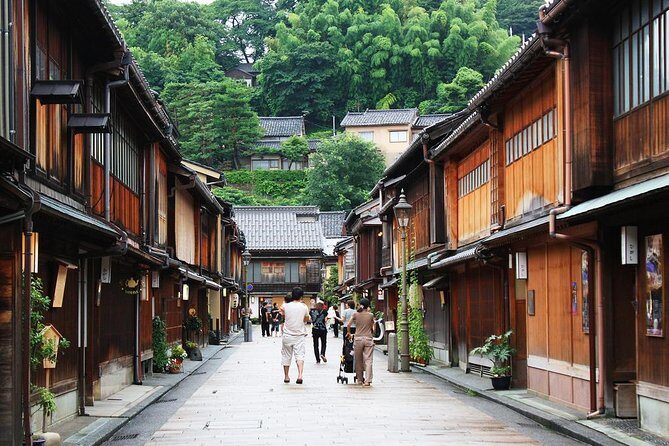
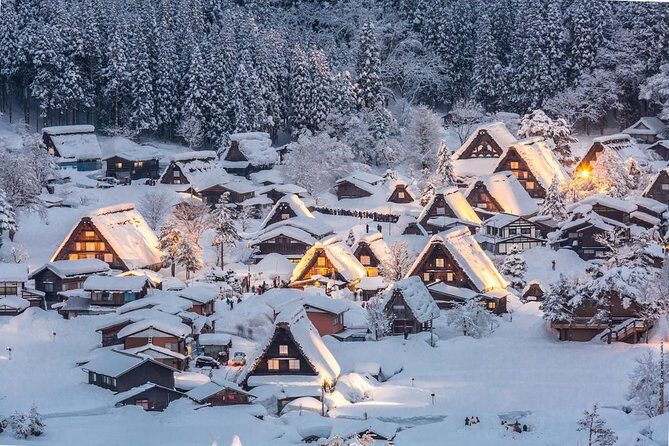
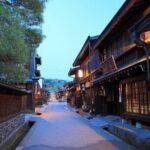
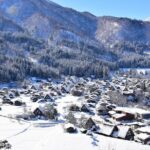
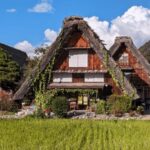
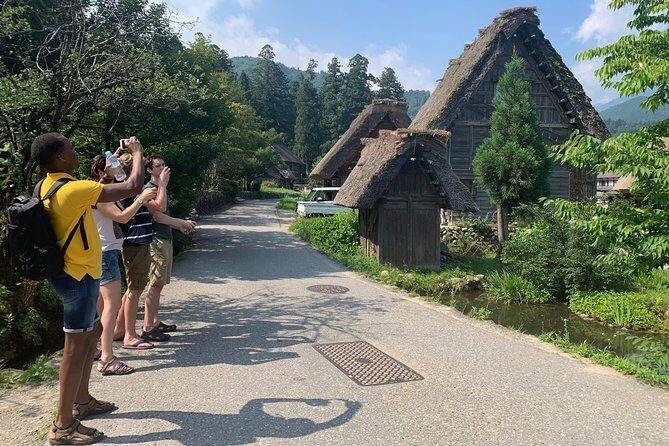
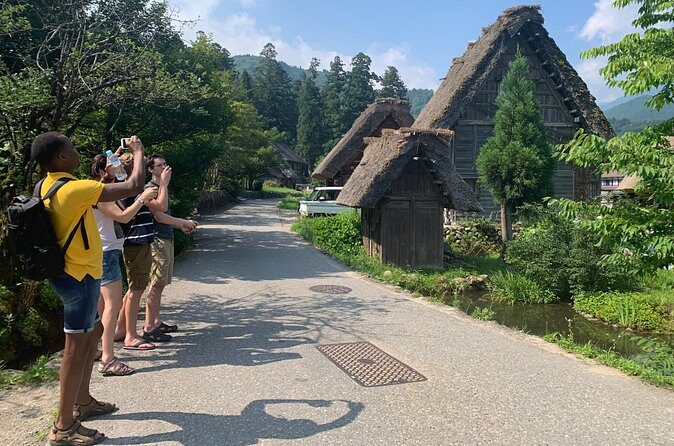
Shirakawa-go is the part of Japan that looks like it belongs in a postcard… right up until you see how the village works up close. Your first stop is the Historic Villages of Shirakawa-go, with 2 hours on site focused on the gassho-style houses and how locals live(d) around that architecture.
This is one of those places where explanations change everything. Standing outside, you can read the shapes. With a guide, you also learn what you’re looking at and why the houses are built the way they are. You’ll get time to walk around and orient yourself inside the village area rather than doing the fast photo sprint.
One detail to plan for: the tour includes the entrance fee for the gassho-zukuri house, but other specific admissions can vary by stop. If you’re the type who hates surprises, keep this in mind—some parts are included, some are marked not included.
Tip for your visit: use the first minutes to slow down. Look at roof angles and spacing before you chase the best camera angle. The village details start making sense once your eyes find a pattern.
Other Shirakawa-go and gassho-zukuri village tours in Takayama
Wada House: a short stop that adds texture
Then you’ll head to Wada House for a quick 15-minute visit. This is not the big emotional hit like the main village view. Think of it as the supporting scene that makes the whole day feel more real—traditional goods, explained by your guide.
I like short interior stops like this on day tours because they give your brain a break from the outdoors without turning the day into a museum marathon. If you’re traveling with someone who gets tired of constant walking, this stop is also a nice breather.
Because the admission is listed as not included for this stop, budget accordingly if you want to go in. Even if you’re fine with paying a small extra fee, mentally plan for it so it doesn’t feel like a last-minute cost.
Hirayunomori onsen: where the day turns from sightseeing to recovery
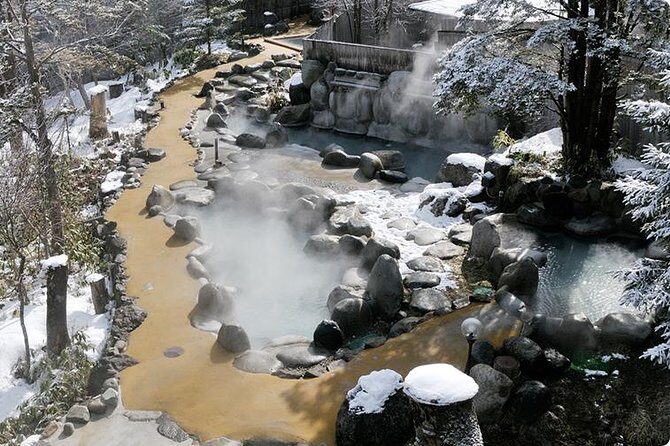
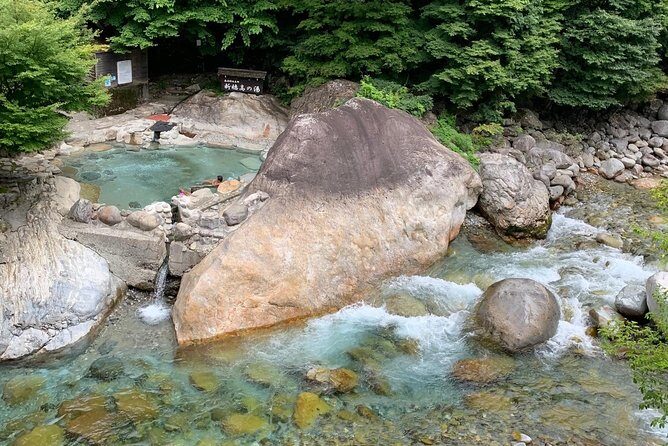
After time outdoors, you get Hirayunomori for about 1 hour of hot-spring soaking. This part matters more than it sounds. When your day includes walking and nature viewing, a real onsen break is what turns fatigue into something close to relaxation.
Also, the tour includes the hot-spring entrance fee. That’s a small but meaningful value-add, because it removes one more decision during your day. You’ll leave the morning cold-and-walking mode and shift into warm-and-slow.
What I like most: you’re not stuck rushing through the bath to get back out. The 1-hour block is long enough to feel the reset without dragging the schedule. It’s also a good moment to step back from the “checklist” feeling of visiting famous sites.
If you’re sensitive to temperature: you might want to take it easy at first and see how your body responds. You’ll still have time.
Hirayu Falls: big water, plus the tree you came for
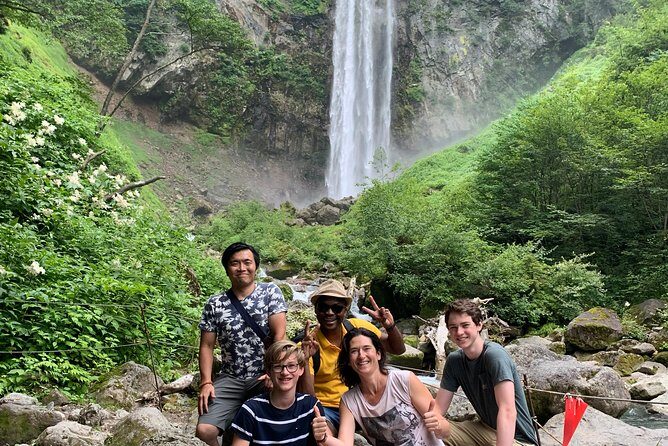
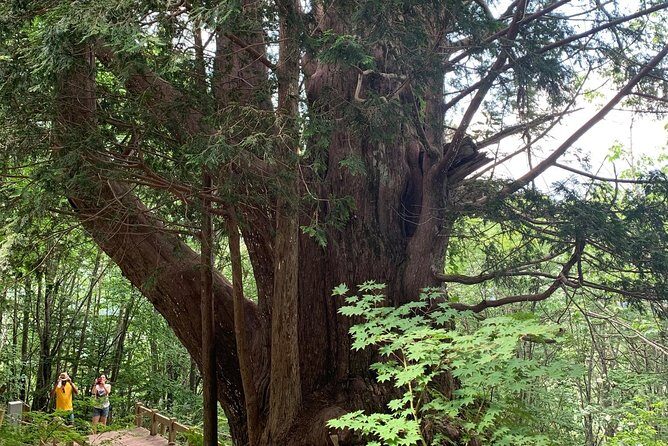
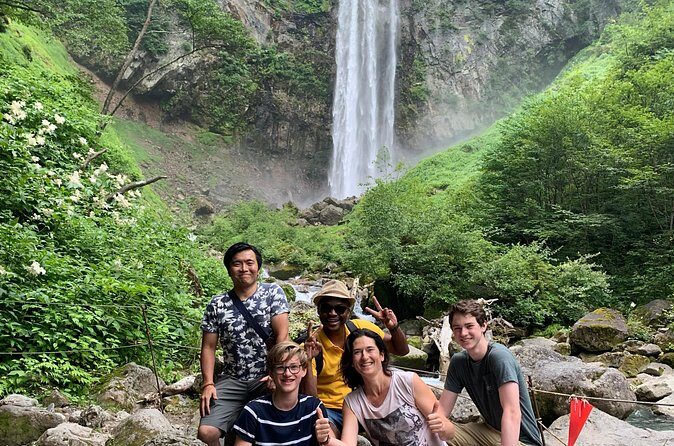
Next is Hirayu Falls, with about 2 hours here. This is your big outdoor centerpiece. You’ll see the dynamic Hirayu-otaki waterfall and also a famous giant tree described as over 1000 years old (a large “big tree” you don’t just glance at—you get the time to look and stand in the scene).
This stop is great if you like nature that feels powerful, not just pretty. The waterfall experience gives you that sound-and-mist feeling that you can’t fully recreate through photos. And because the tree is part of the viewing idea, you get a second type of wow: scale and age.
Admission is listed as free for this stop, which helps keep the overall cost from creeping up.
Planning note: even if you’re not calling it hiking, your day has walking between stops and you’ll be outside for long stretches. If rain is in the forecast, wear footwear that handles wet surfaces.
Private guide Yama: the part that makes it feel personal
The biggest quality boost here is the guide. In the reviews you can see a pattern: the guide is friendly, explains the history and context clearly, and gives helpful answers throughout the ride. One guide name that comes up often is Mr. Yama.
What you gain with a guide who translates (and doesn’t just point) is a day that feels coherent. You don’t just visit four separate places—you connect them. Shirakawa-go becomes more than houses. The onsen becomes more than a break. Hirayu Falls becomes part of the region’s natural story.
You’ll also get a more comfortable logistics experience: pick-up is in front of Takayama Station, and you’ll be dropped back at Takayama Station at the end. The vehicle is air-conditioned, which is a big deal in Japan when your sightseeing day happens under changing weather.
Small group size (maximum 10 people) helps too. You’re not locked into a huge crowd schedule. It still feels like a day trip, but with enough flexibility to respond to questions and pacing.
And yes, rain can happen—one review mentioned getting through the day despite rainy conditions. That’s where having a guide who can adjust the flow becomes priceless.
Other historical tours in Takayama

The rhythm of the day: start 8:30am, back for evening
This tour runs about 9 hours and starts at 8:30am from Takayama Station. The stop order is designed like this:
- Shirakawa-go houses first (your eyes are fresh)
- a quick traditional interior break at Wada House
- onsen to reset
- then the waterfall and tree for a longer final nature section
I like this order because it avoids the common mistake of exhausting yourself first, then trying to enjoy an onsen, then ending on a long walking stop when you’re already tired. Here, the warmth comes halfway through, and the waterfall gets your full attention at the end.
What to consider: your day is long and outdoors time is built in. If you’re the type who hates early starts, this might feel like a commitment. If you’re okay with a full day and want a lot of variety without planning—this fits well.
Price and what’s actually included in $175.91
At $175.91 per person, you’re paying for more than sightseeing. You’re paying for:
- a guide
- round-trip transportation between Takayama Station and back
- the included entrance fee for the gassho-zukuri house
- the hot-spring entrance fee
Meanwhile, the main things not included are lunch and bottled water. The guide can recommend good places to eat, which is a real help in a day trip where you don’t want to waste time hunting menus.
So is it good value? For me, it’s value-positive if you hate logistics. You’re getting guided translation, vehicle comfort, and key admissions wrapped into the day. If you planned the routing yourself, you’d still spend time figuring out transport schedules and where to enter what. This tour removes that stress and puts the day back into your control.
Also consider the booking pattern. This experience is typically booked well in advance (on average, about 139 days). If your dates are fixed, you’ll want to plan early.
Who this tour fits best
This is a strong match if you:
- want Shirakawa-go without language barriers getting in the way
- like a mix of culture, onsen, and nature viewing in one day
- prefer a small group rather than a big bus crowd
- want a guide who answers questions and keeps the pacing friendly
It’s less ideal if you:
- want only one long stop and hate switching locations
- are sensitive to long days with outdoor time
- expect meals and drinks to be fully covered
Should you book this Shirakawa-go onsen hiking day tour?
Yes, I think you should book it if your goal is variety with low planning effort. The combination of UNESCO Shirakawa-go, a real onsen break, and a long nature finish at Hirayu Falls makes the day feel complete rather than scattered. The small group size, air-conditioned transport, and guide translation help you enjoy the sites instead of decoding them.
Before you hit confirm, do two quick checks: make sure you’re comfortable with a long day starting at 8:30am, and plan for lunch since it’s not included. If the weather is rough, be flexible too—this experience depends on good conditions.
FAQ
What time does the tour start and how long is it?
It starts at 8:30am and runs for about 9 hours (approximately), ending back at Takayama Station.
Where do you get picked up and where do you get dropped off?
Pick-up is in front of Takayama Station, and the tour drops you back at Takayama Station at the end.
How many people are in the group?
The tour has a maximum of 10 travelers/people.
What’s included in the price?
The price includes the guide, transportation (pick-up and drop-off at Takayama Station), the entrance fee for the gassho-zukuri house, and hot spring (onsen) entry.
Is lunch included?
No. Lunch is not included. The guide can help by introducing good places to eat.
Is bottled water included?
No. Bottled water is not included.
Are there any admissions that are not included?
Yes. Some stops list admission as not included, including Wada House. Also, the tour data notes admissions vary by stop.
What happens if the weather is bad?
This experience requires good weather. If it’s canceled due to poor weather, you’ll be offered a different date or a full refund.
Do I need a ticket in advance?
You’ll receive a mobile ticket, which helps with day-of entry.