Wear a kimono fast.
A kimono rental at WARGO turns a normal sightseeing walk into a visual moment you can carry all day. The shop is about a 10-minute walk from Kenrokuen Garden, and the big win is getting dressed correctly so you can spend your time out on the streets, not wrestling fabric.
I really like two things here: the on-site staff who help you get into your outfit the right way, and the fact that the rental comes with the practical pieces you need for a proper look—like the obi, satchel, and traditional footwear. That means you can focus on photos and wandering instead of second-guessing what goes where.
One thing to keep in mind: the shop operates only 10:00 AM to 5:00 PM, and you must return by 4:30 PM. Also, upgrades and extra styling can raise the final price, depending on what you choose.
In This Review
- Quick hits before you go
- Where you’ll start: WARGO on the G floor in the middle of the sights
- Getting dressed: what to expect from the staff setup
- Choosing your kimono: from traditional patterns to modern looks
- The accessories that make it feel real (not rented)
- Hair styling: included basics vs upgraded options
- Timing in Kanazawa: make the kimono walk work with 10:00–17:00 hours
- Price and value: what $33 covers and where extra costs can appear
- Who should book this kimono rental (and who should skip it)
- Should you book Kanazawa kimono rental at WARGO?
- FAQ
- Where is the meeting point?
- What’s included in the kimono rental?
- How long does it take to get dressed?
- What are the operating hours, and when do I need to return the kimono?
- Can I keep the kimono into the evening or return the next day?
- Are plus-size kimonos available?
- Is it okay for wheelchair users, pregnant women, or people with medical conditions?
Quick hits before you go
- 10-minute walk from Kenrokuen Garden makes it easy to pair your outfit with prime Kanazawa sightseeing
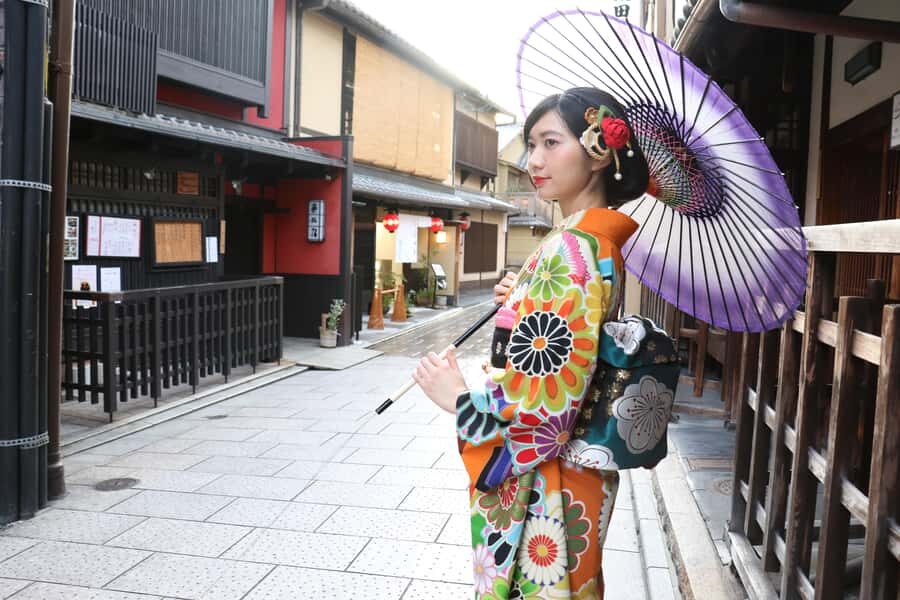
- Complete kit included: kimono, obi, satchel, traditional shoes (sandal-like), and socks
- Staff help dressing so you’re not guessing how to wear everything
- Usually under an hour for dressing if it’s not too busy
- Plus-size kimonos available, so you’re not limited by sizing
- Premium plan options let you upgrade kimono/obi grades and (for women) add a standard hairstyle
Where you’ll start: WARGO on the G floor in the middle of the sights
This kimono rental is set up for easy sightseeing. You’ll go to the building where the store is located, then head up to the G floor to find the shop. When you finish, you return to the same meeting point, so the day doesn’t become a scavenger hunt.
Location matters more than people think with kimono rentals. If you have to transfer across town or wait a long time for public transport, your outfit starts feeling like a burden. Here, you’re positioned close to a top stop—Kenrokuen Garden—so you can plan your walk out immediately after dressing.
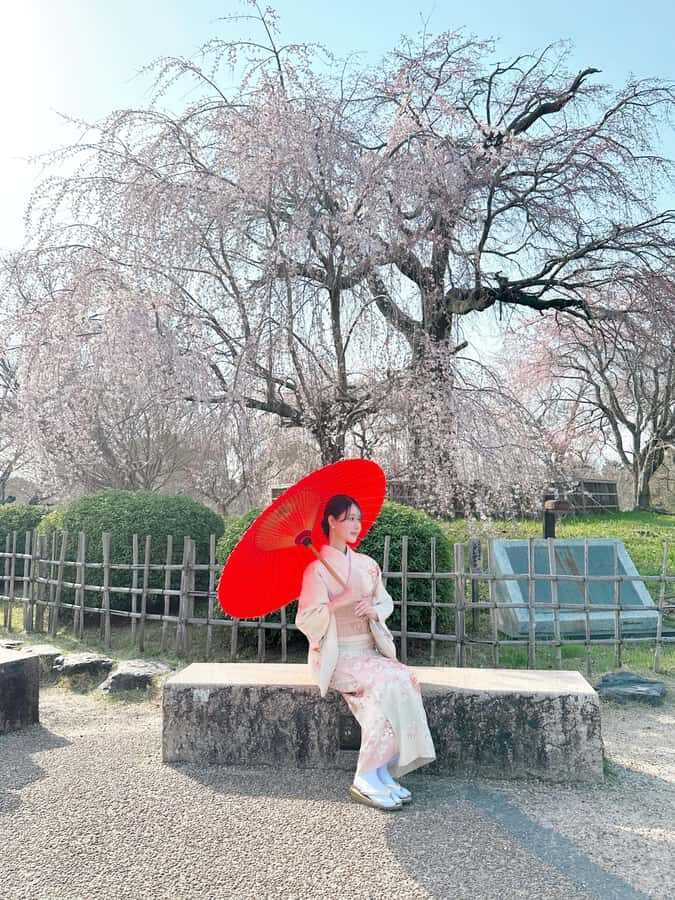
If you’re planning your day around one big landmark, this is a smart match. You can treat the kimono as your “main character” for the afternoon, then enjoy a garden visit and the surrounding area at your own pace.
Other Kanazawa tours and samurai-district walks

Getting dressed: what to expect from the staff setup
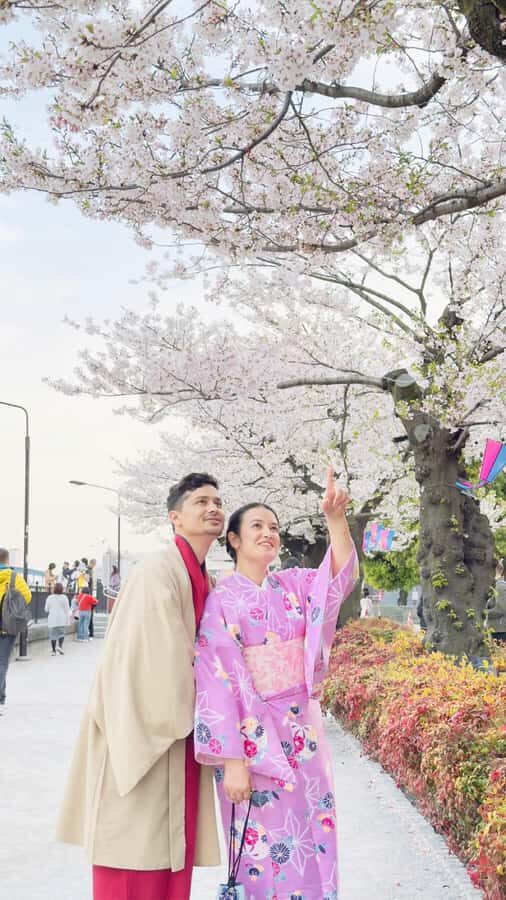
The core experience is simple: you arrive, pick your kimono, then get dressed by staff help. WARGO provides guidance so your kimono fits well and looks right in photos. That support is the difference between a nice costume and a wearable traditional outfit.
Plan on less than an hour for dressing when the shop isn’t busy. If you’re arriving during peak times, you might need more time, so give yourself breathing room. Also, if you reserve late—after 3 PM the day before—you may have to wait a bit.
The included process isn’t just about putting on clothes. It also covers getting you into the right components so you can walk comfortably. Your rental includes a sash belt (obi), a Japanese satchel, and traditional sandal-like shoes plus socks. When these items are fitted correctly, the whole outfit feels more stable as you move.
One more practical detail: the rental price includes an insurance fee and a dressing fee, so your payment is tied to the service, not just the fabric rental.
Choosing your kimono: from traditional patterns to modern looks
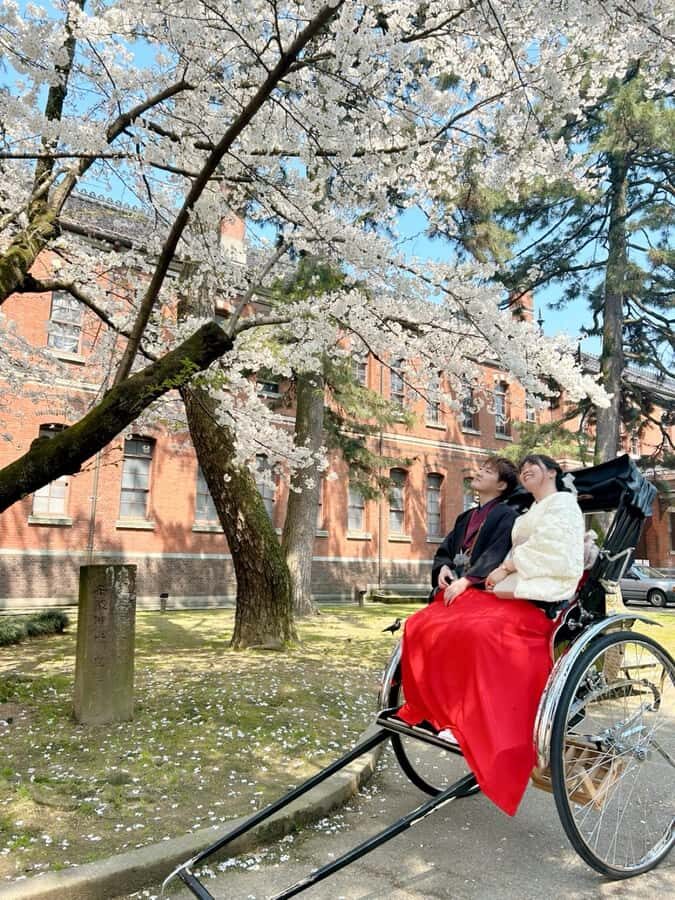
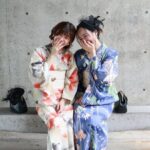
WARGO offers a selection that runs from more traditional patterns to modern designs. That’s good news if you want a kimono that matches your photo style—classic, artsy, or something in-between.
You can also find options beyond standard sizing: plus-size kimonos are available. That matters because the biggest problem with many rentals is not “pretty clothing,” it’s whether you can feel comfortable and confident in what you’re wearing.
For couples or solo travelers, this is also a flexible moment to slow down. You’re not just grabbing a random outfit. You can choose a look you actually want to live in for the afternoon—then you’ll walk out wearing it, not just posing for a quick snapshot.
If you want to go one step further, the WARGO Deluxe Plan adds flexibility. You can upgrade the grade of the kimono and obi up to a certain level. A standard hairstyle is included as part of the Deluxe Plan for women. The exact upgrade options can vary by store, so it’s smart to ask on arrival what grades are currently available.
The accessories that make it feel real (not rented)
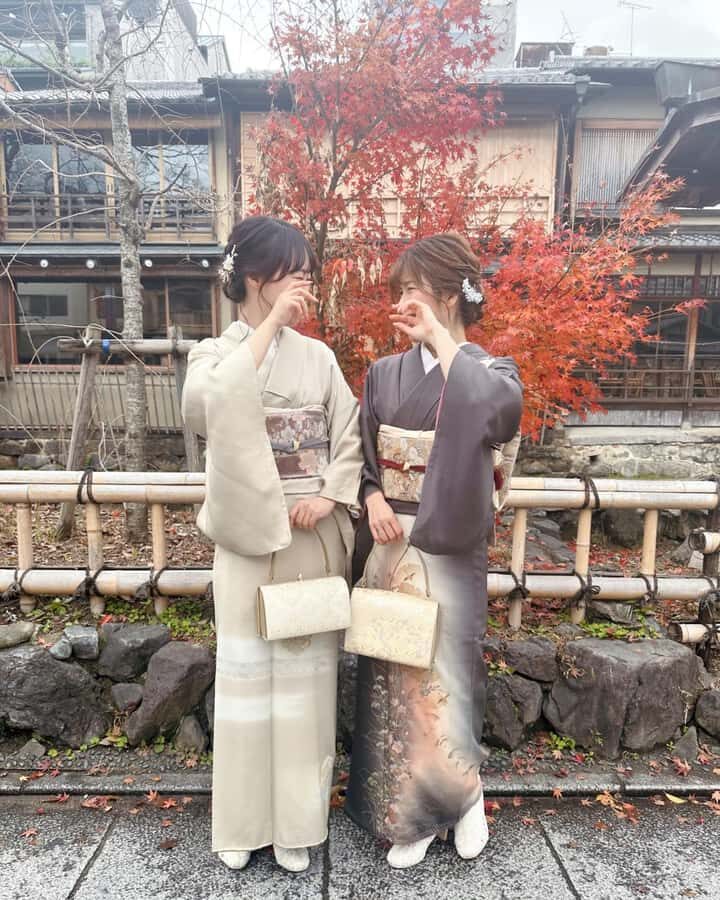
The kit included with your rental is where this becomes good value.
You’re not just given a kimono and sent away. You also get:
- Obi (sash belt)
- Japanese satchel
- Traditional shoes (sandal-like footwear)
- Socks
- A simple hair set with kanzashi (ornamental hairpin)
Those pieces are what create the full look. And they also help with comfort and practicality. For example, sandals and socks are part of the traditional setup, and wearing them correctly affects how easy it is to walk and how your outfit holds together.
For photos, you’ll appreciate the satchel and footwear. In many rentals, visitors end up improvising bags or shoes. Here, the outfit is designed to be photographed as a complete set, not a mix-and-match costume.
Hair styling: included basics vs upgraded options
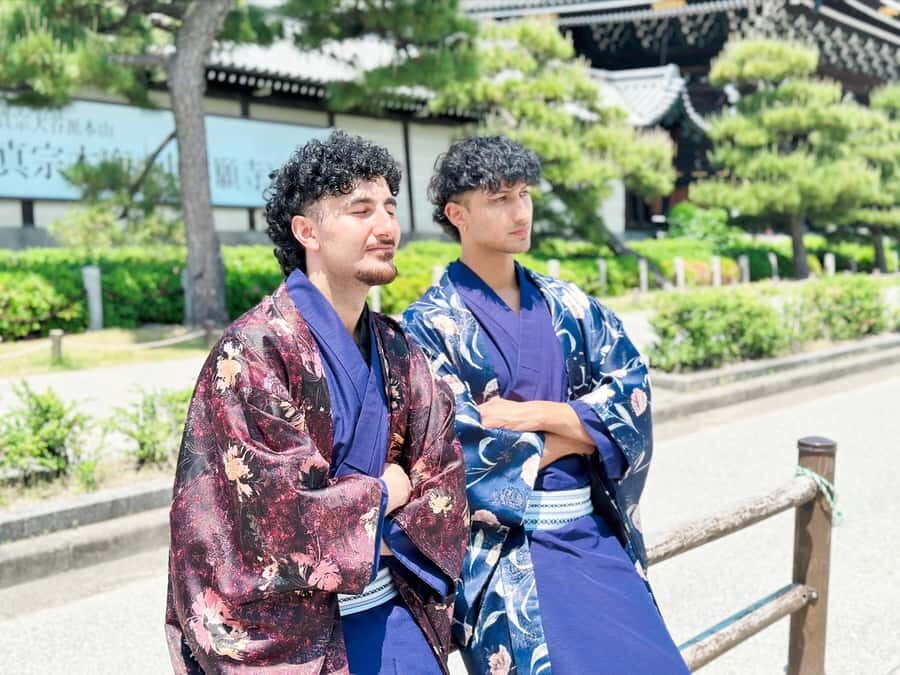
Hair is where kimonos can go from “nice” to “wow” for photos. Here’s the clear breakdown:
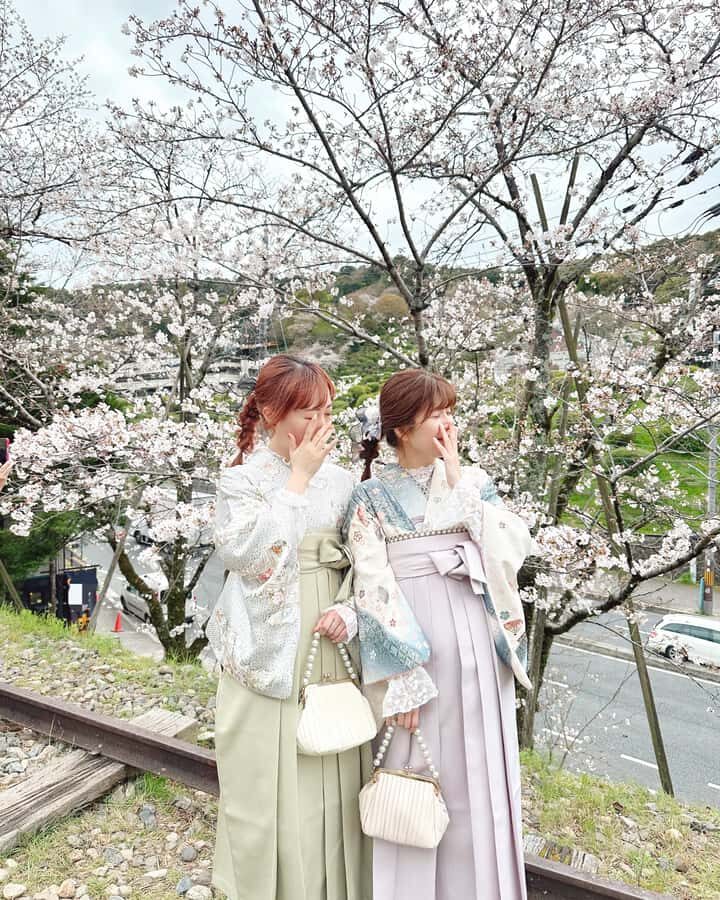
- Your included package includes a simple hair style using kanzashi (ornamental hairpin).
- If you choose the Deluxe Plan, women also get a standard hairstyle included.
- Hair styling is also available as an added option (with additional cost).
So if you care about Instagram-level hair, you’ll likely want more than the simple included version. If you just want a polished look and don’t want to spend extra time in the chair, the included kanzashi hair set can be enough.
Either way, factor in time. Even “simple” dressing is still dressing—so keep your schedule flexible around your return window.





Timing in Kanazawa: make the kimono walk work with 10:00–17:00 hours
This is one of the most practical parts of the experience: the shop runs 10:00 AM to 5:00 PM, and you need to return the kimono by 4:30 PM.
That means you should plan your kimono time like a slot. A common mistake is booking something too late in the day and ending up rushing your sightseeing. Instead, aim for a time that gives you a full block of relaxed walking, then still lets you return calmly.
The good news: once you’re dressed, you’re set. The store is close enough to your sightseeing anchor (think Kenrokuen Garden) that you don’t need a major transit plan.
There is also an option if you want more than just a daytime photo. Next-day return is possible for an additional fee, so you can keep the kimono for an evening plan—if you’re willing to pay the extra cost and manage the longer use.
Also, if you’re traveling with tight logistics, check how you’ll build your day. Your rental ends back at the meeting point, so treat the store like a fixed “home base” for that day.
Price and value: what $33 covers and where extra costs can appear
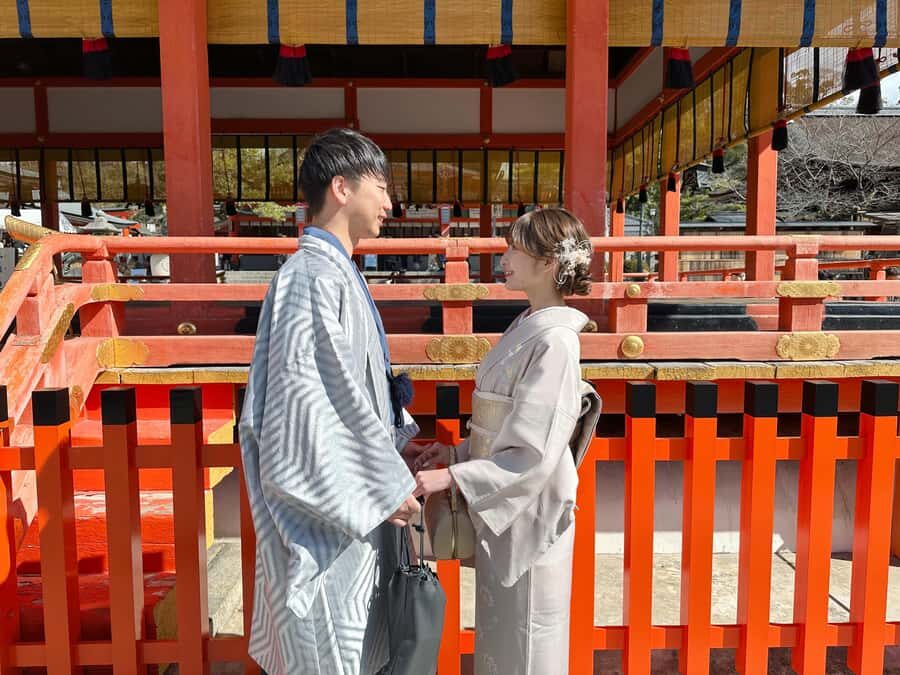
The starting price is about $33 per person. The real value is what’s bundled in that figure: not just the kimono itself, but also the dressing fee and the insurance fee, plus the full set of accessories you need to wear it properly.
Then, there are add-ons. Your rental or optional items may increase the overall cost, and you can pay additional charges in cash or by credit card at the store. The most likely extras are:
- Upgrading the kimono/obi grade (especially with the Deluxe Plan)
- Additional or upgraded hair styling
- Any next-day return option
- Other optional items chosen at the store
Here’s how I’d think about it: if you want a good outfit and smooth dressing without complications, the base package gives you the essentials. If you’re the kind of person who wants your kimono to look more “special” in photos—better grade fabric or a more styled hairstyle—the Deluxe Plan makes sense. But don’t overspend just to check a box. Choose upgrades that match your priorities: photos, comfort, and how long you’ll wear it.
One more helpful detail: there’s also a Reserve & Pay Later option, so you can reserve your spot while keeping payment flexible.
Who should book this kimono rental (and who should skip it)
This experience is a great fit if you want a traditional look without the stress of learning how to wear it. You get staff help, an outfit designed to be walkable, and a location close to a key sightseeing stop.
It’s also a solid choice if:
- You care about photos and want the full set of accessories included
- You want a mix of traditional and modern kimono styles
- You need plus-size options
- You prefer to spend time sightseeing rather than figuring out the logistics of kimono wear
It is not suitable for:
- Pregnant women
- Wheelchair users
- People with pre-existing medical conditions
That list matters. If you fall into any of those categories, you’ll likely be more comfortable skipping this rental and choosing another style-friendly experience.
Should you book Kanazawa kimono rental at WARGO?
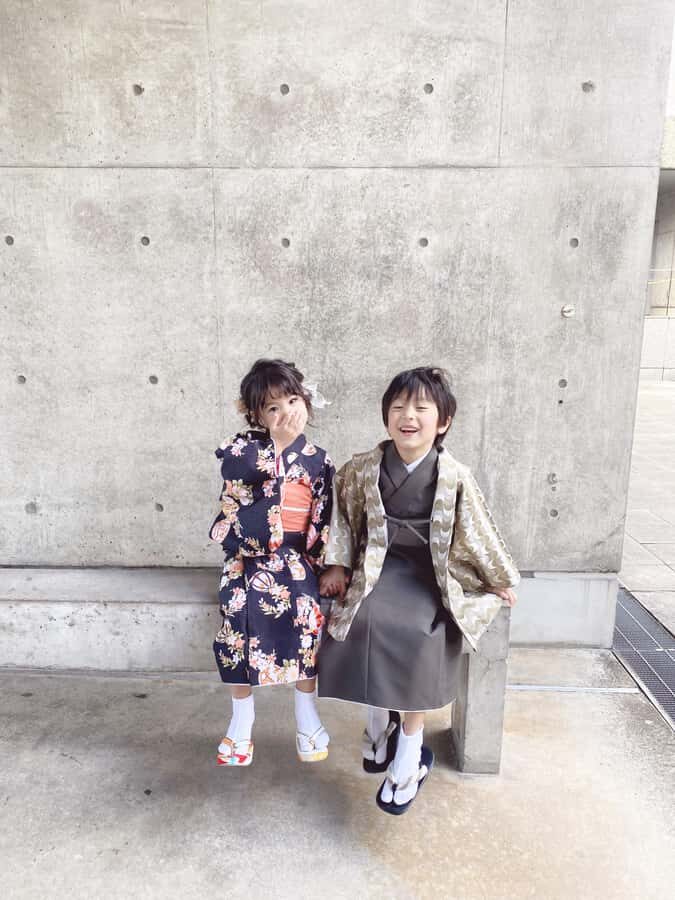
If you’re planning to spend the afternoon around major Kanazawa sights, I think this is a strong buy. You’re close to Kenrokuen Garden, you get staff help to wear the kimono properly, and the included kit covers the pieces that make the look work in real life—not just in theory.
Book it if you want:
- A smooth, guided dressing experience
- A complete outfit package for photos
- A practical way to turn a sightseeing day into something memorable
Skip or reconsider if:
- You can’t work within the 10:00 AM–5:00 PM window and 4:30 PM return deadline
- You’re sensitive to extra costs from upgrades
- You’re in a category where the rental isn’t recommended
Overall, this is the kind of experience that earns its money fast: you put it on, step outside, and Kanazawa immediately feels different.
FAQ
Where is the meeting point?
You’ll meet at the store location in the building. Go up to the G floor to find WARGO. The activity ends back at the same meeting point.
What’s included in the kimono rental?
Your package includes the kimono rental fee and dressing fee, plus an insurance fee. You also get a set with kimono, obi (sash belt), Japanese satchel, traditional shoes (sandal-like footwear), and socks, along with a simple hair set using kanzashi.
How long does it take to get dressed?
If it’s not too busy, dressing should take less than an hour, so you can get to sightseeing quickly.
What are the operating hours, and when do I need to return the kimono?
Operating hours are 10:00 AM to 5:00 PM. You should return the kimono by 4:30 PM.
Can I keep the kimono into the evening or return the next day?
Next-day return is possible for an additional fee, so you can extend the experience beyond the daytime window.
Are plus-size kimonos available?
Yes. Plus-size kimonos are available, and the selection includes both traditional and modern designs.
Is it okay for wheelchair users, pregnant women, or people with medical conditions?
No. It’s not suitable for wheelchair users, pregnant women, or people with pre-existing medical conditions.